Hair Treatments in Coimbatore for Hair Loss & Hair Restoration

Restore your hair and confidence with personalised hair loss treatments at Covai Cosmetic Surgery in Coimbatore. We offer advanced hair restoration solutions for the scalp, beard, and eyebrows using modern techniques such as FUE, FUT, and DHI (where suitable).


Hair Loss & Fall Restoration Treatment in Coimbatore

Hair loss is a common concern that can affect the scalp, beard, moustache, and eyebrows. It may develop gradually due to genetics, hormonal changes, aging, medical conditions, trauma, burns, scars, or previous cosmetic procedures. Beyond affecting appearance, hair loss can also influence confidence and self-esteem.

At Covai Cosmetic Surgery, we provide personalised hair restoration treatments to address different types and stages of hair loss. Rather than following a one-size-fits-all approach, every patient undergoes a detailed consultation to understand the cause of hair loss, assess donor hair quality, and determine the most appropriate treatment.

Each procedure is performed with the goal of achieving natural hair density, proper hair direction, and long-lasting aesthetic results.

Who Can Benefit

Is a Hair Loss Treatment Right for You?

You may be a suitable candidate if you:
  • Have permanent hair loss or thinning
  • Experience male or female pattern baldness
  • Have a receding hairline
  • Notice thinning around the crown
  • Have patchy beard or moustache growth
  • Have sparse eyebrows
  • Have hair loss following burns, trauma, or surgery
  • Have healthy donor hair
  • Want a long-term hair restoration solution

A detailed consultation helps determine the cause of your hair loss and the most suitable treatment option.
5,000+ Happy Clients
15+ Doctors
100+ Procedures

Hair Transplant

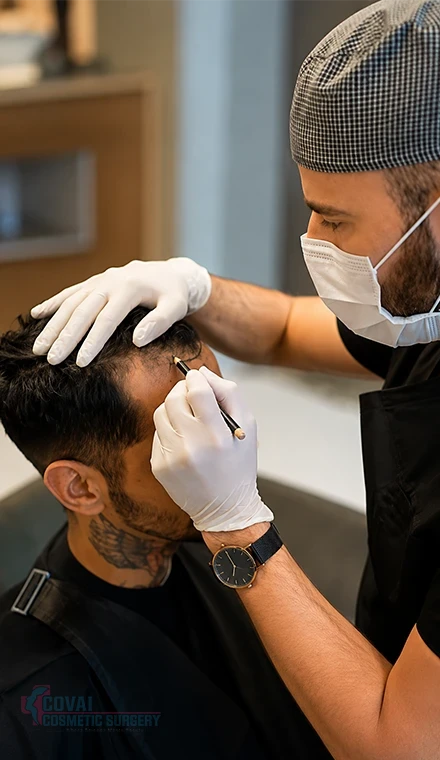
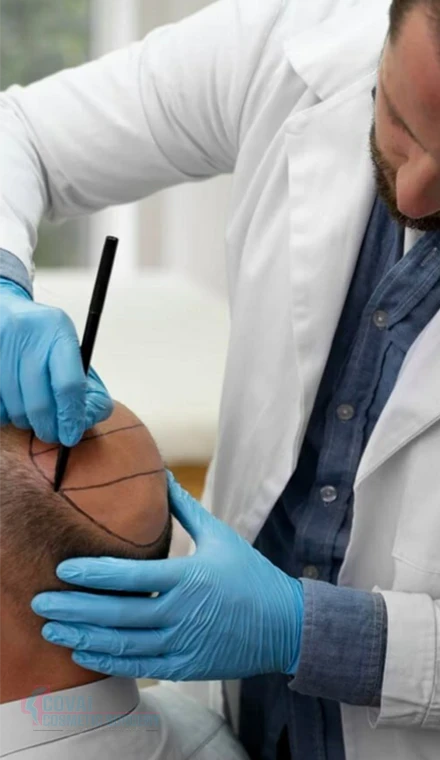
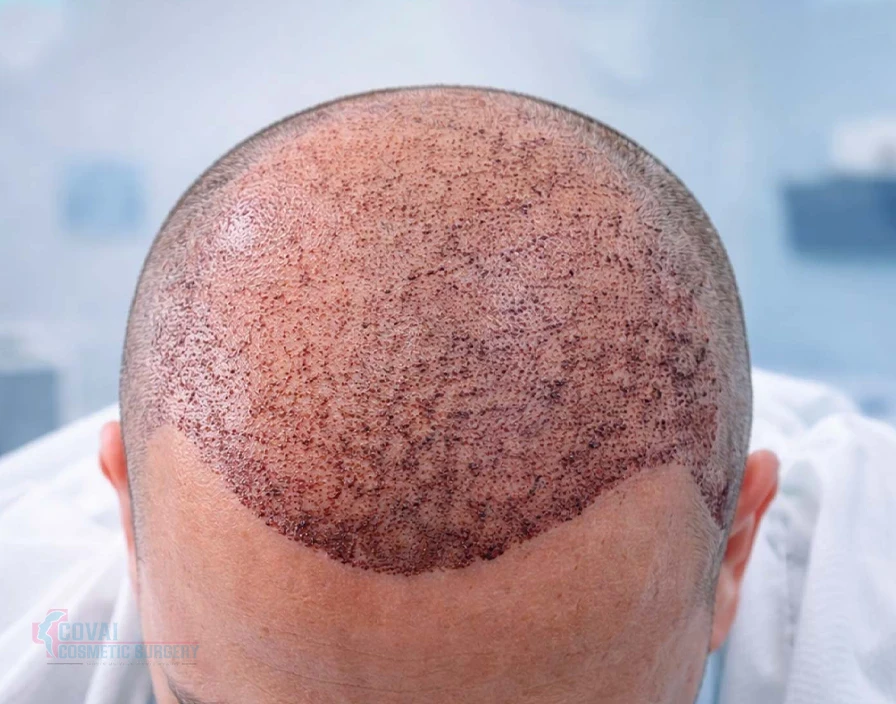
Hair transplantation restores scalp hair by transferring healthy hair follicles from the donor area to thinning or bald regions. The procedure is designed to improve hair density, recreate a natural hairline, and provide permanent hair restoration.

  • Male pattern baldness
  • Female hair thinning
  • Receding hairline
  • Crown baldness
  • Diffuse hair loss
  • Hair loss due to scars
  • Follicular Unit Extraction (FUE)
  • Follicular Unit Transplantation (FUT)
  • Permanent hair restoration
  • Natural-looking hairline
  • Improved density
  • Long-lasting results
Learn More About Hair Transplant

Beard & Moustache Hair Transplant

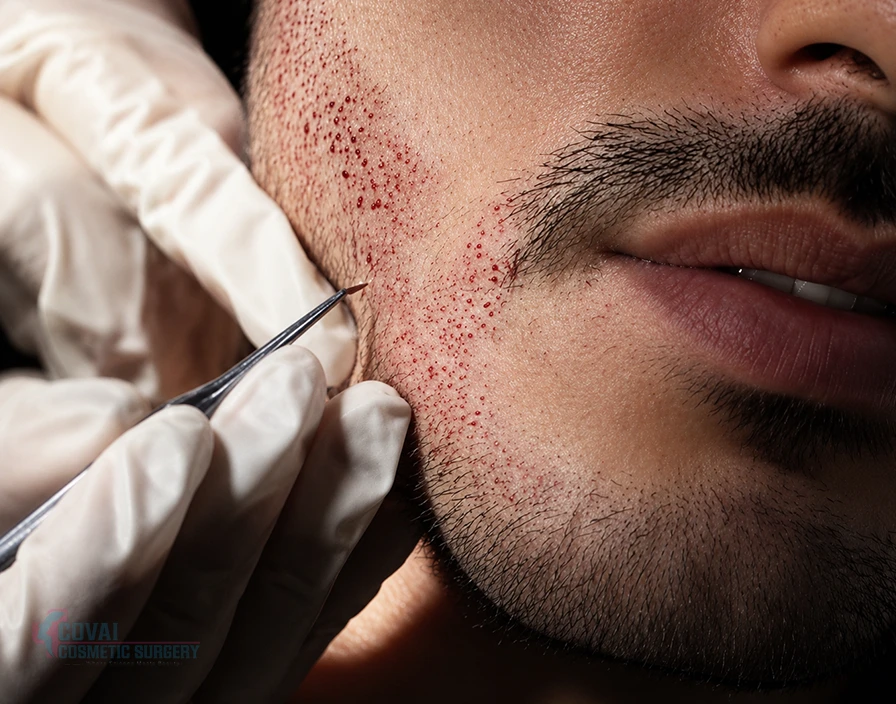
Beard and moustache transplantation restores facial hair using healthy hair follicles from the scalp. It improves beard density, fills patchy areas, and creates a fuller, natural-looking beard or moustache.

  • Patchy beard growth
  • Thin moustache
  • Uneven facial hair
  • Beard scars
  • Poor facial hair density
  • FUE
  • FUT
  • DHI (where suitable)
  • Fuller beard
  • Natural facial hair
  • Permanent restoration
  • Improved facial definition

Eyebrow Hair Transplant

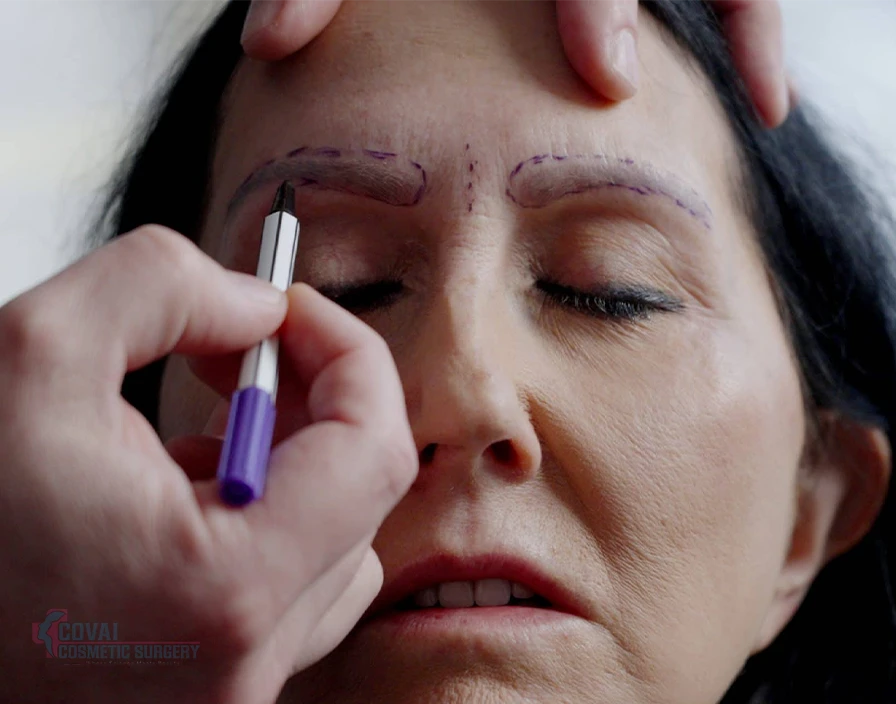
Eyebrow transplantation restores eyebrow density and shape using your own healthy hair follicles. The procedure enhances eyebrow fullness while maintaining a natural appearance.

  • Thin eyebrows
  • Sparse eyebrows
  • Over-plucked eyebrows
  • Eyebrow scars
  • Uneven eyebrow shape
  • FUE
  • FUT
  • Fuller eyebrows
  • Natural appearance
  • Permanent restoration
  • Better facial symmetry

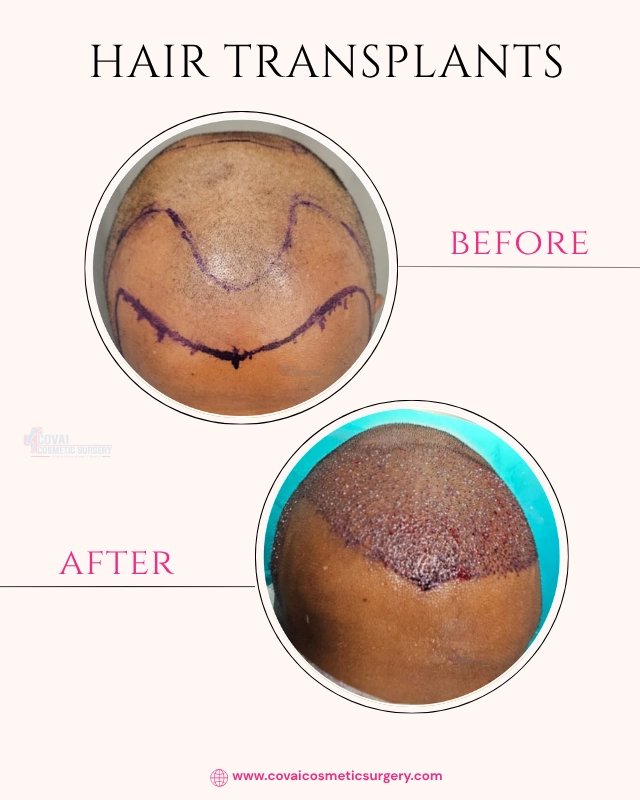
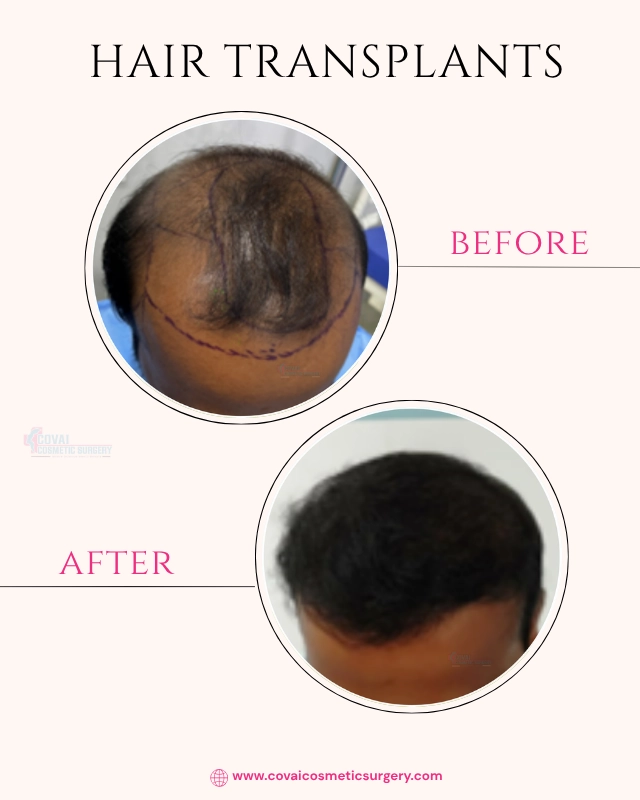
Hair Transplant Before & After Results in Coimbatore

Common Hair Restoration Concerns We Treat

Hair loss and thinning can affect your appearance and confidence, but the right treatment depends on the area affected, the cause of hair loss, and your restoration goals. During your consultation, our plastic surgeon will carefully assess your hair loss pattern, donor hair availability, and expectations to recommend the most suitable hair transplant solution for natural-looking, long-lasting results.
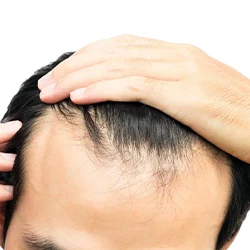
Receding Hairline
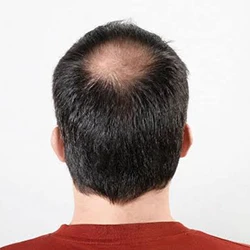
Crown Baldness
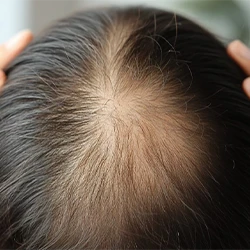
Diffuse Hair Thinning
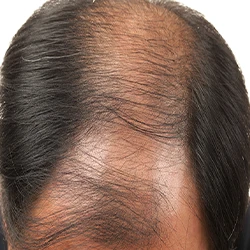
Male Pattern Baldness
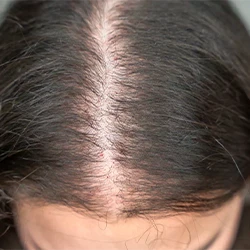
Female Hair Thinning
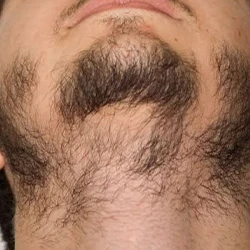
Patchy Beard Growth
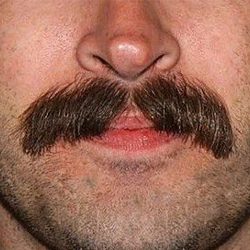
Thin or Sparse Moustache
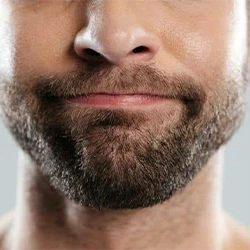
Uneven Beard Density
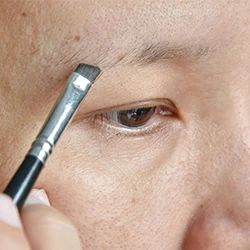
Sparse Eyebrows
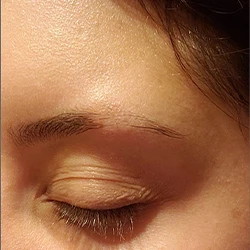
Eyebrow Hair Loss
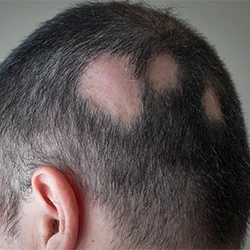
Hair Loss Due to Scars or Injuries
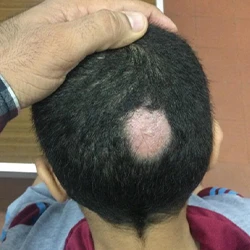
Localised Hair Loss

Why Choose Covai Cosmetic Surgery for Hair Loss Treatments?

Experienced Plastic & Cosmetic Surgeon

Hair restoration procedures are performed by an experienced plastic and cosmetic surgeon with expertise in scalp, beard, and eyebrow transplantation.

Personalised Treatment Plans

Every treatment plan is customised according to your hair loss pattern, donor hair availability, facial features, and aesthetic goals.

Advanced Hair Restoration Techniques

We use modern techniques including FUE, FUT, and DHI (where appropriate) to provide effective and natural-looking results.

Natural-Looking Outcomes

Hair follicles are carefully implanted according to the natural angle, direction, and density of your existing hair.

NABH-Accredited Surgical Facility

All procedures are performed in a fully equipped NABH-accredited hospital that prioritises patient safety and quality care.

Comprehensive Aftercare

From consultation to recovery, our team provides continuous guidance and follow-up to support healing and long-term results.

Recovery After Hair Loss Treatment

Recovery depends on the treatment performed and the treatment area.

01 First Week

The treated area heals, and mild redness or swelling gradually subsides.

02 Weeks 2–4

Temporary shedding of transplanted hair may occur as part of the normal hair growth cycle.

03 Months 3 - 6

New hair growth becomes visible, and density gradually improves.

04 Months 9 - 12

Hair continues to mature, producing fuller, natural-looking results.

Common Questions About Hair Fall & Loss Treatments

The best treatment depends on the cause and extent of your hair loss. Early hair thinning may respond to medical management, while permanent hair loss caused by genetics, scars, or burns may require surgical hair restoration. During your consultation, our surgeon will assess your condition and recommend the most suitable treatment, whether it is a scalp hair transplant, beard transplant, or eyebrow transplant.

Yes. A second hair transplant may be recommended if additional density is required, hair loss progresses over time, or a previous procedure did not achieve the desired result. Your surgeon will evaluate the availability of donor hair and your overall scalp condition before recommending another procedure.

The number of grafts required varies depending on the size of the treatment area, the extent of hair loss, your hair characteristics, and your desired level of density. Some patients may require only a few hundred grafts for small areas, while larger areas of baldness may require several thousand grafts. A personalised graft estimate is provided during your consultation.

Yes. A beard transplant is an effective solution for patchy, uneven, or sparse beard growth. Healthy hair follicles are transplanted into the affected areas to create a fuller, natural-looking beard. The transplanted hair continues to grow naturally and can be trimmed and groomed like your existing facial hair.

Yes. Eyebrow transplantation can restore eyebrows that have become thin due to over-plucking, genetics, injury, burns, or scarring. Individual hair follicles are carefully placed to match the natural direction and shape of your eyebrows, creating fuller and more symmetrical results.

If you have undergone a scalp hair transplant, it is generally advisable to avoid tight ponytails, buns, or hairstyles that place tension on the treated area during the initial healing period. Once the scalp has healed completely, you can usually resume your normal hairstyle. Your surgeon will advise you on when it is safe to do so based on your recovery.

There is no fixed ideal age for hairline advancement. Suitability depends on factors such as facial proportions, hairline stability, scalp laxity, and overall health rather than age alone. Most candidates undergo the procedure after their facial growth is complete and their hairline has stabilised. A consultation helps determine whether hairline advancement or another hair restoration procedure is the better option.

Yes. Since the transplanted follicles are typically taken from the scalp, they retain the characteristics of scalp hair and continue to grow after transplantation. Patients usually need to trim the transplanted eyebrow hair periodically to maintain the desired eyebrow length and appearance.

Yes, but only after the transplanted follicles have healed completely. Most patients are advised to avoid shaving for the first few weeks following the procedure to protect the newly implanted grafts. Your surgeon will let you know when it is safe to resume shaving based on your healing progress.

Yes. A moustache transplant can be performed independently, even if you already have a beard. The procedure is designed to increase moustache density, improve shape, or fill patchy areas while blending naturally with your existing facial hair. Your treatment plan is customised according to your facial hair pattern and aesthetic goals.

Yes. A hair transplant uses healthy hair follicles from the donor area, which continue to grow naturally after transplantation. While the transplanted hair is generally permanent, existing surrounding hair may continue to thin over time due to natural ageing or genetics.

A hair transplant may be suitable for individuals with permanent hair loss, thinning hair, patchy beard or moustache growth, sparse eyebrows, or hair loss caused by scars or burns. A consultation helps determine your suitability based on your hair loss pattern and donor hair availability.

Follicular Unit Extraction (FUE) involves extracting individual hair follicles from the donor area, resulting in minimal scarring and a quicker recovery. Follicular Unit Transplantation (FUT) involves removing a thin strip of scalp to harvest hair follicles and may be recommended when a larger number of grafts is required.

The procedure is performed under local anaesthesia, so patients usually experience minimal discomfort during surgery. Mild soreness or swelling after the procedure is common and typically improves within a few days.

The duration depends on the treatment area and the number of grafts required. Most procedures take between 4 and 8 hours, and larger cases may require additional time.

Transplanted hair may shed during the first few weeks, which is a normal part of the process. New hair growth usually begins within 3 to 6 months, while fuller results become visible over 9 to 12 months.

Yes. Women experiencing hair thinning, eyebrow hair loss, or hair loss due to scars or certain medical conditions may be suitable candidates for a hair transplant after a detailed evaluation.

Yes. Hair transplant procedures can restore hair to the scalp, beard, moustache, and eyebrows using your own healthy hair follicles to achieve natural-looking and long-lasting results.

Yes. Hair follicles are carefully placed according to the natural angle, direction, and density of hair growth, helping create results that blend naturally with your existing hair.

The right treatment depends on the area affected, the extent of hair loss, the quality of the donor hair, and your treatment goals. During your consultation, your surgeon will recommend the most suitable hair transplant approach based on your individual needs.

The cost of a hair transplant varies depending on the treatment area, the number of grafts required, the technique used, and your individual hair restoration needs. During your consultation, our surgeon will evaluate your condition and provide a personalised treatment plan with a detailed cost estimate.
Whatsapp
Phone Call